
INDUSTRIAL & MANUFACTURING
Executive Coaching for Industrial & Manufacturing Leaders
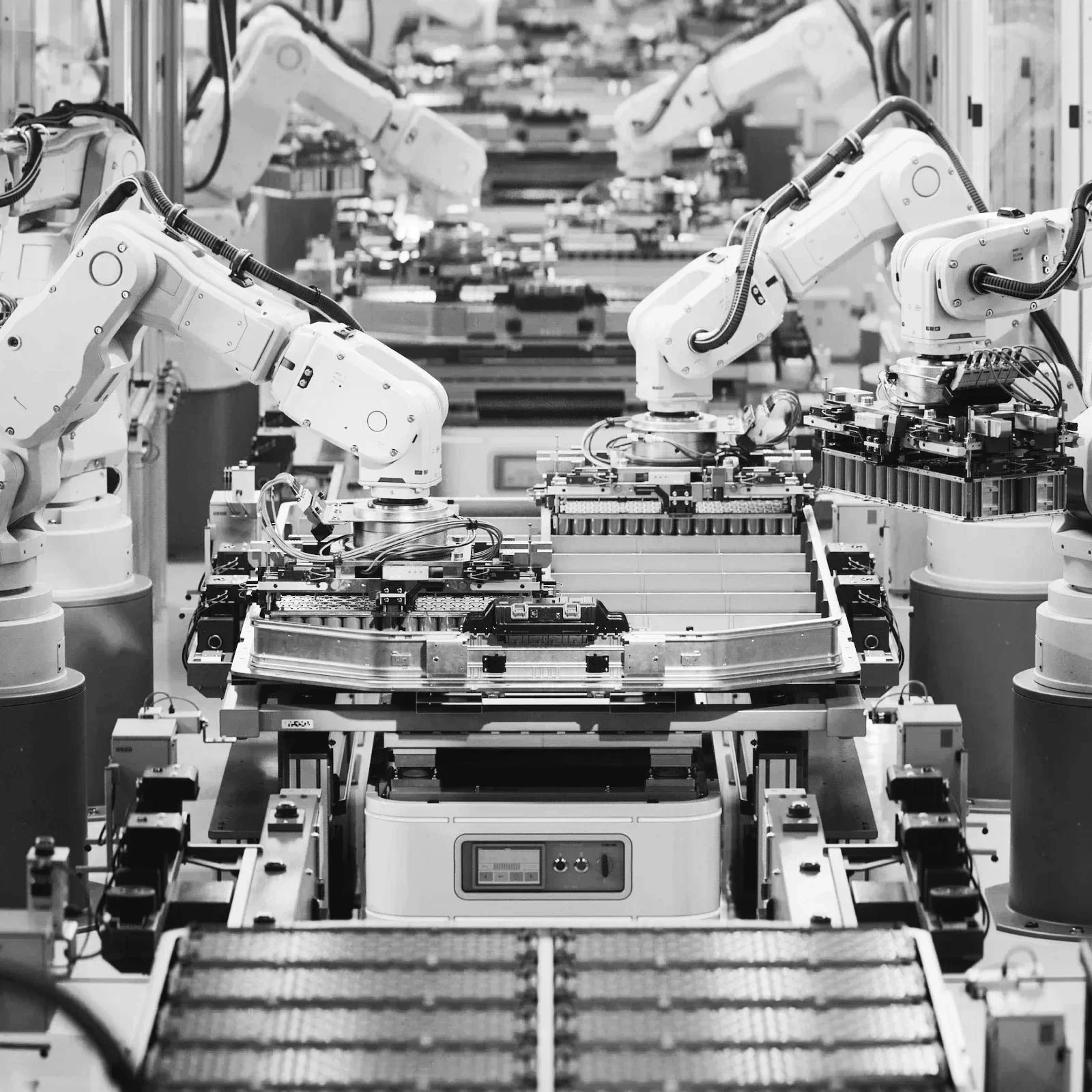
The industrial and manufacturing sector asks its leaders to navigate simultaneous pressures that would have been unimaginable a generation ago. The ones who do it well have understood something important – that the approaches which got them here are not the ones that will take them forward. Executive coaching for manufacturing and industrial leaders creates the space for these individuals to examine how they work and to understand what needs to change in order to maximise impact and value in how their operations perform.
THE CHALLENGE
The structures, processes and leadership models developed through the twentieth century were built for a different set of conditions. They assumed relative stability, predictable supply chains and a workforce whose primary value was in its capacity to execute. None of those assumptions hold any more.
The pressures are real and they are simultaneous – automation reshaping the workforce, global competition compressing margins, the transition to net zero demanding fundamental operational change, and the pace of technology development meaning that decisions made today about scale, capacity and infrastructure will shape an organisation's ability to compete for the next twenty years. The challenge is not the pace of change. It is the inadequacy of prevailing approaches to meet it.
WHAT I BRING
30 YEARS BETWEEN STRATEGY AND DELIVERY.
John Dyson brings three decades working between strategy and delivery across industrial and manufacturing organisations – including 25 years at GlaxoSmithKline – to his executive coaching practice.

01
SECTOR DEPTH
I have worked in industry for more than 30 years. For much of that time I sat directly between company strategy development and strategy delivery – close enough to see, first-hand, the gap between intent and execution. That experience taught me that the organisations which navigate change well are not the ones that move fastest. They are the ones that lead most clearly.
02
SYSTEMS THINKING & SCALE
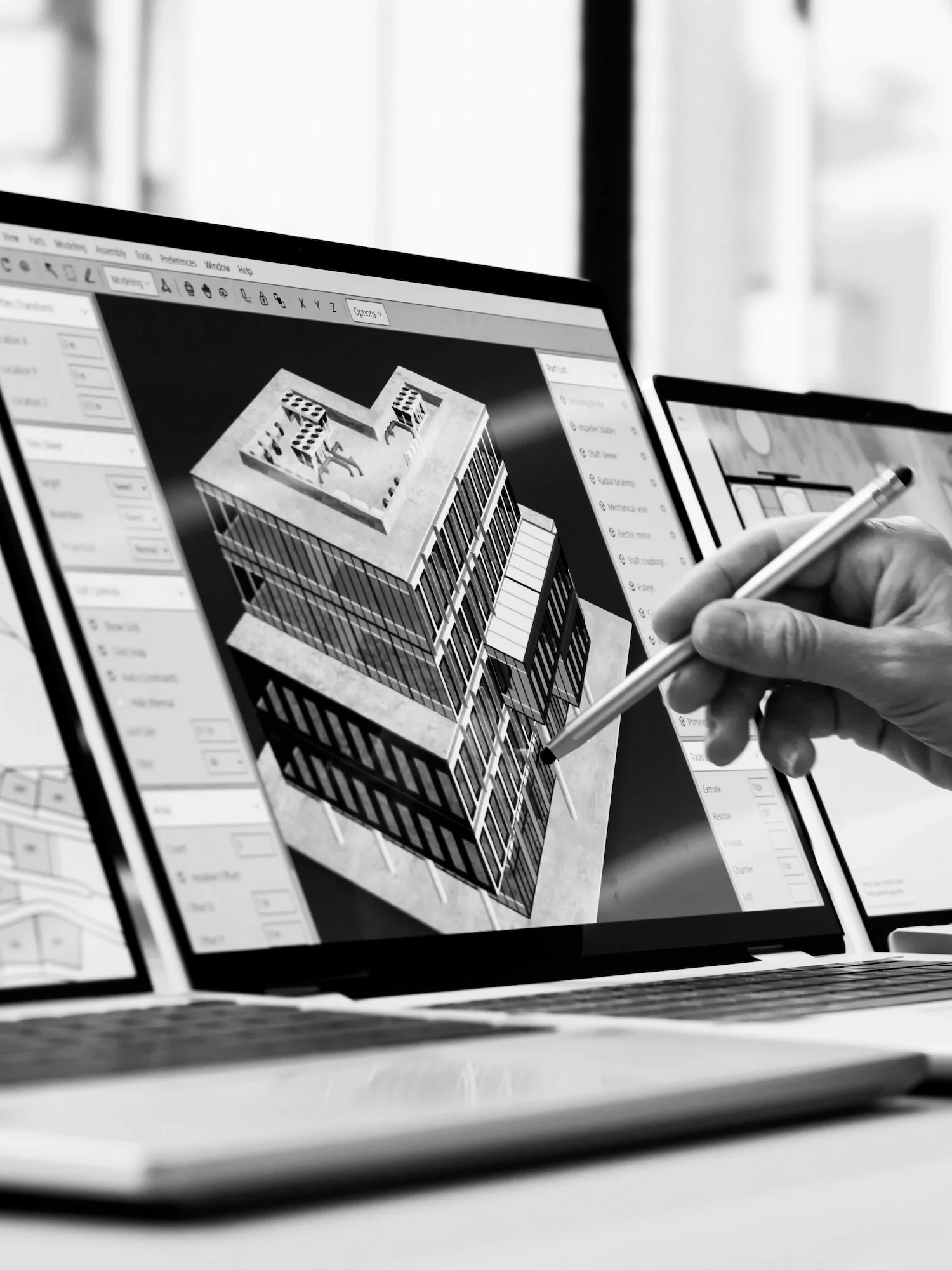
One of the most consistent blind spots I encounter in industrial organisations is the assumption that bigger is always better. Every system has an optimal operational range – and the diseconomies that emerge when you exceed it can be catastrophic. Getting scale right is not a technical question. It is a strategic one that requires modelling, challenge and a willingness to question assumptions that have stopped being examined

03
CONVENING & RESEARCH
I chair the Accelerate programme at Bryden Wood – a series of cross-sector working conversations that has brought together senior leaders from data centre, pharmaceutical and laboratory organisations to work through shared barriers to transformation. The pattern that emerges is consistent: the barriers are rarely technical. They are organisational, cultural and relational. That insight informs everything I bring to industrial leadership coaching.
04
THE HUMAN DIMENSION
My academic research led me to a conclusion I have seen confirmed repeatedly in practice: success in industrial organisations is not governed by individual greatness but by the ability to work with others, communicate across networks, and step outside arbitrary constraints. Purpose should guide process, not the other way round. As a BACP-qualified counsellor, I bring the psychological depth to work at that level.
WORKING ON SOMETHING GNARLY?
Senior leaders in industrial and manufacturing come to me when the prevailing approaches aren't working. If that sounds familiar, I'd welcome a conversation.