
PHARMACEUTICALS & LIFE SCIENCES
Executive Coaching for Pharma & Life Sciences Leaders
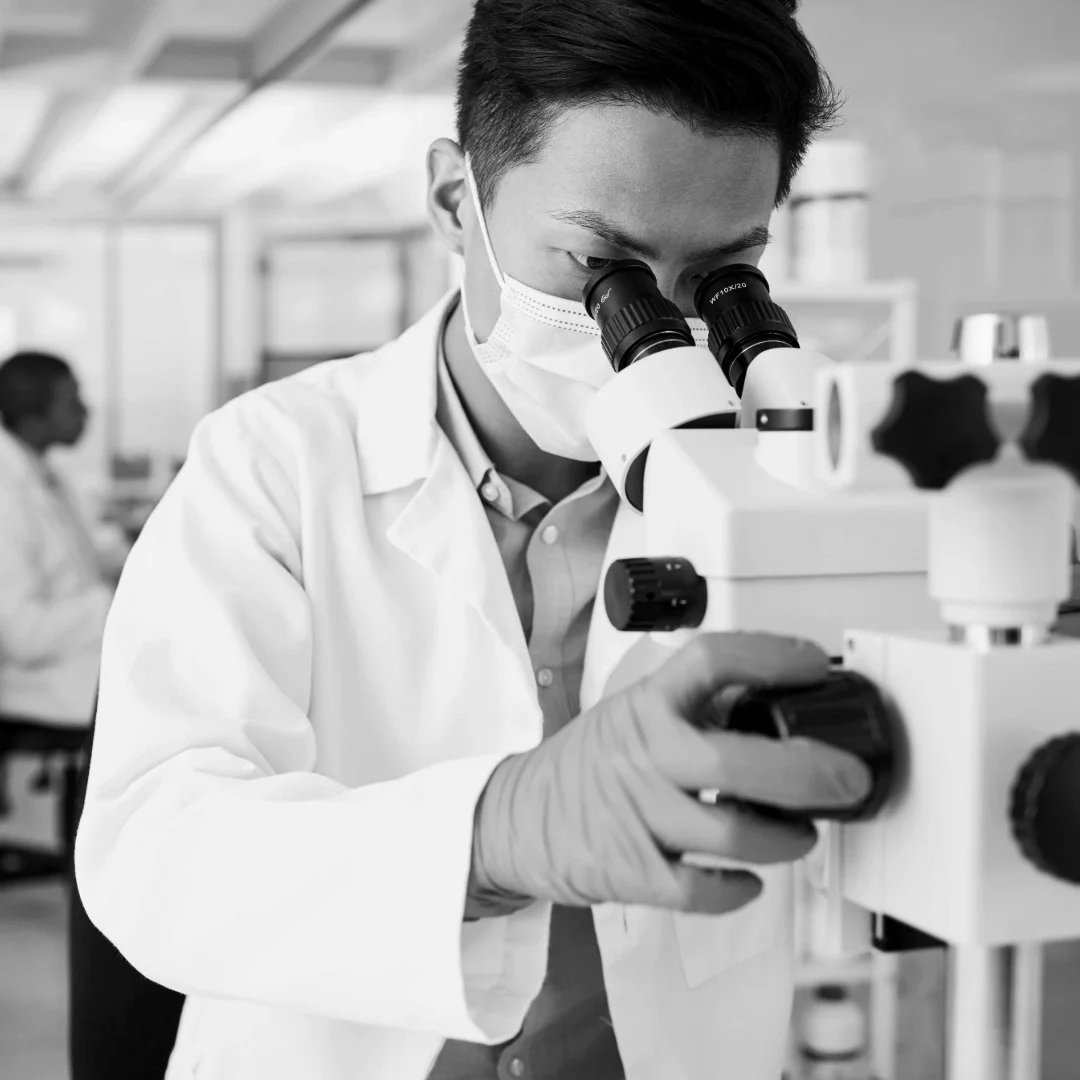
The pharmaceutical and life sciences industry asks an enormous amount of its leaders – technically, ethically and personally. The ones who sustain it understand themselves as well as their sector – and are willing to find better ways of working. Executive coaching in pharmaceutical and life sciences gives those leaders space to examine how they work and to develop an understanding of what needs to change in order to maximise outcomes for patients and the organisations they lead.
THE CHALLENGE
Pharmaceutical and life sciences organisations deal with timescales, regulatory complexity and supply chain fragility that most industries don't encounter. Add to that the knowledge that boardroom decisions have direct consequences for patients, and the inadequacy of prevailing leadership models becomes difficult to ignore.
The leaders who navigate this successfully are not the ones who are best at managing within the existing structures. They are the ones who understand that the structures themselves need to change – and who know how to build the purposeful collaboration that makes that possible across organisations that are simultaneously competitive and interdependent.
WHAT I BRING
30 YEARS INSIDE THE INDUSTRY.
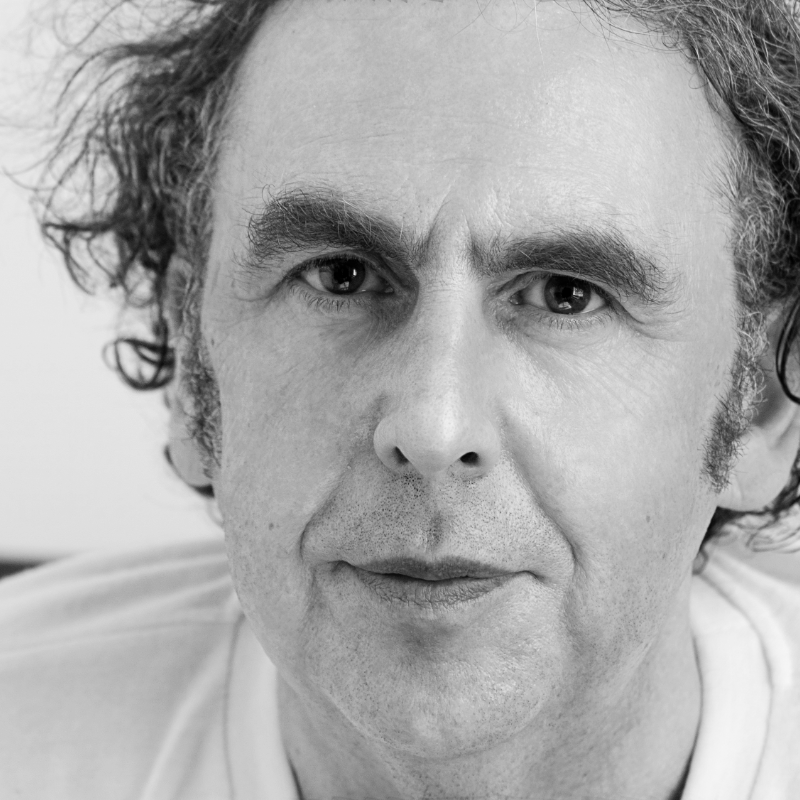
John Dyson brings more than three decades of expertise inside the pharmaceutical and life sciences industry – including 25 years at GlaxoSmithKline – to his executive coaching practice.

01
SECTOR DEPTH
I have worked in the pharmaceutical industry for more than 30 years, with clients across R&D, strategy, manufacturing and supply chain. That experience – inside one of the world's most complex and high-stakes industries – gives me a direct understanding of how pharmaceutical organisations are structured, where the pressure concentrates, and what it takes to lead effectively inside a business model that carries significant dimensions of risk, ethics and complexity.

02
CONVENING & RESEARCH
I chair Bryden Wood's Accelerate Pharma programme – participants have included senior leaders from GSK, AstraZeneca, Roche, Sanofi, and others, working through the barriers to transformation in pharmaceutical manufacturing. I have also chaired roundtables on the future of laboratories, with participants including the Francis Crick Institute, Innovate UK, FUJIFILM and BAE Systems. These conversations inform my understanding of where the industry is going, not just where it has been.

03
THE INDUSTRY’S DEFINING CHALLENGE
The pharmaceutical industry faces a fundamental conundrum: global healthcare cost growth is running at two to three times the rate of economic growth, while the potential of genuinely new treatments – for cancer, for Alzheimer's, for diseases that have resisted medicine for generations – requires entirely new ways of thinking. My academic and research work, including the Singapore government project on Pharmaceuticals in 2050, sits directly at this intersection.

04
VOCATION, LEADERSHIP & THE HUMAN DIMENSION
The leaders in this sector see their work as a vocation, which brings its own particular pressures. The transition from scientist to effective leader is one of the most recurring and least well-served challenges in the industry. I disagree with the conventional view that highly technical people cannot lead well. Finding a way through requires understanding technical, human, business and psychological dimensions together. My BACP qualification is built for this.
WORKING ON SOMETHING GNARLY?
Senior leaders in pharmaceutical and life sciences come to me when the prevailing approaches aren't working. If that sounds familiar, I'd welcome a conversation.